
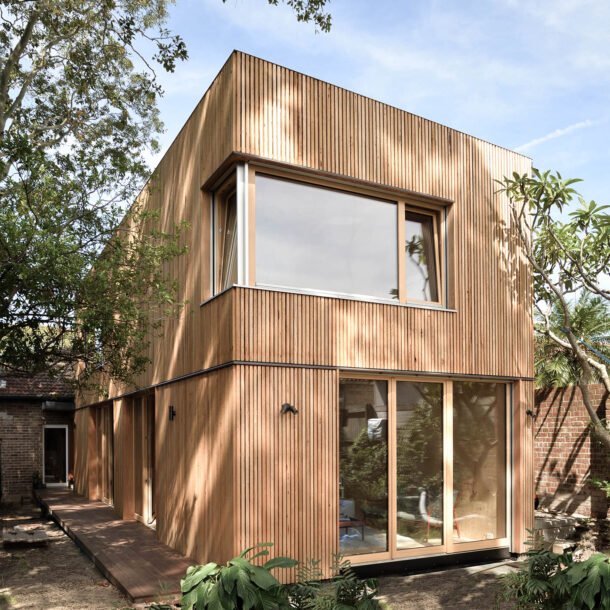

Will My CLT House Be Energy Efficient?
If you’re considering building with Cross-Laminated Timber (CLT), you’re probably curious about its energy efficiency. CLT houses are not only stunning and sustainable but also excel in creating energy-efficient homes. In this article, we’ll explore how CLT contributes to lower energy consumption and a more comfortable living environment.
1. Natural Insulation Properties
Wood, the primary material in CLT, is a natural insulator. It has low thermal conductivity, meaning it resists heat flow better than many traditional materials like concrete or steel. This inherent property helps CLT homes maintain a stable indoor temperature, keeping them warmer in the winter and cooler in the summer.
Additionally, CLT panels have a solid, airtight structure, minimizing drafts and heat loss. This makes them ideal for reducing energy use while ensuring year-round comfort.
2. Reduced Heating and Cooling Costs
The energy efficiency of a CLT house translates directly into cost savings. With improved insulation and reduced heat transfer, homeowners often experience lower heating and cooling bills. The thermal mass of CLT also plays a role—it absorbs heat during the day and releases it slowly, helping to moderate indoor temperatures.
For regions with extreme climates, this can result in significant energy savings over time, making a CLT house a wise long-term investment.
3. Perfect Pairing with Energy-Efficient Systems
CLT homes are highly compatible with modern energy-efficient technologies. Features like triple-glazed windows, energy-efficient HVAC systems, and solar panels integrate seamlessly into CLT designs. Combined, these systems can further reduce a home’s overall energy footprint.
Many CLT builders also incorporate passive design principles, such as optimizing window placement for natural light and ventilation, which reduces reliance on artificial lighting and air conditioning.
4. Airtight Construction for Maximum Efficiency
CLT panels are precision-engineered and prefabricated to fit tightly together, minimizing gaps or leaks. This airtight construction reduces the energy lost through the building envelope, which is a common issue in traditional construction.
With proper sealing and insulation techniques, CLT homes meet or exceed energy efficiency standards, including certifications like Passive House or LEED (Leadership in Energy and Environmental Design).
5. Sustainability Meets Energy Efficiency
The energy efficiency of CLT homes aligns perfectly with their eco-friendly benefits. By reducing the energy needed for heating, cooling, and lighting, CLT homes contribute to lower carbon emissions. Additionally, CLT itself is a renewable, carbon-storing material, further enhancing the environmental impact of your home.
This combination of sustainability and energy efficiency makes CLT an excellent choice for homeowners who prioritize environmental responsibility.
6. Case Studies Prove the Benefits
Numerous real-world examples highlight the energy efficiency of CLT homes. From passive houses in cold climates to energy-neutral buildings in warmer regions, the data consistently shows that CLT construction significantly reduces energy usage compared to traditional materials.
Whether you’re designing a cozy family home or a commercial building, the energy-saving potential of CLT is well-documented and proven.
Conclusion: Energy Efficiency Built In
A CLT house isn’t just a beautiful and sustainable choice—it’s also an energy-efficient solution for modern living. With natural insulation, airtight construction, and compatibility with energy-saving technologies, CLT homes help you reduce energy consumption while staying comfortable all year long.
By choosing CLT, you’re investing in a future that combines cost savings, environmental responsibility, and cutting-edge design.
Ready to build an energy-efficient home? Discover how CLT can transform your vision into a sustainable, high-performance space.


