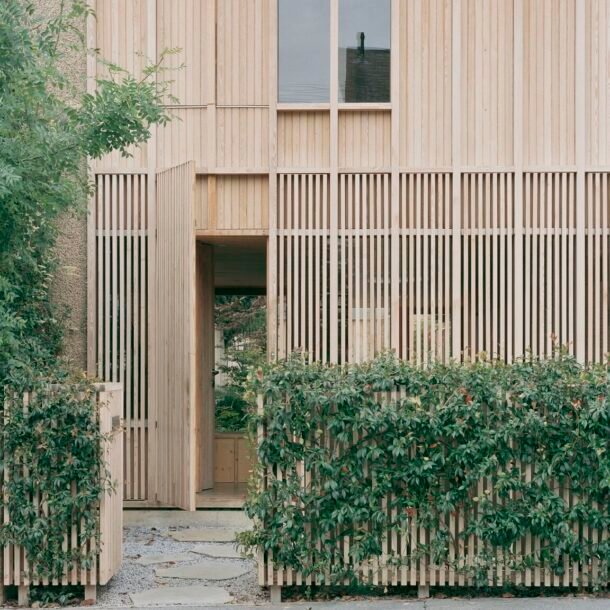

What’s the Lifespan of a CLT House?
When investing in a home or building, longevity is a top concern. With the growing popularity of Cross-Laminated Timber (CLT) in construction, many wonder: How long can a CLT house last? The good news is that CLT houses are designed to stand the test of time, combining advanced engineering with the natural durability of timber. Here’s what you need to know about the lifespan of a CLT house.
1. Engineered for Strength and Durability
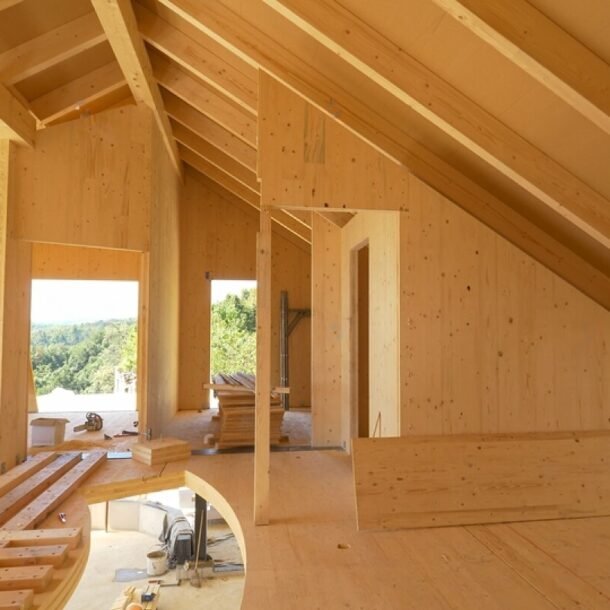
Cross-Laminated Timber is an innovative material created by layering timber boards in alternating directions and bonding them with adhesives under pressure. This cross-lamination process significantly enhances the material’s structural strength and stability, making it comparable to steel and concrete in durability.
When properly designed, constructed, and maintained, a CLT house can last for a century or more. Many traditional timber structures worldwide have stood for hundreds of years, and CLT’s advanced engineering only improves on this legacy.
2. Resistance to Environmental Factors
A well-built CLT house can withstand a variety of environmental challenges, provided it’s adequately protected against prolonged exposure to moisture. CLT panels are typically treated or coated to enhance their resistance to water, pests, and rot.
In climates with high humidity or rainfall, careful attention is given to proper sealing and weatherproofing. When these measures are in place, the material performs exceptionally well, maintaining its integrity for decades.
3. Minimal Maintenance Requirements
One of the reasons CLT is gaining popularity is its low maintenance needs. Unlike traditional wood, which can warp or degrade over time, CLT’s engineered composition makes it less prone to these issues. Regular inspections and minor upkeep, such as ensuring protective finishes are intact and gutters are clear, are usually sufficient to keep the structure in excellent condition.
For indoor elements, exposed CLT adds natural beauty to interiors while maintaining its structural stability. A simple cleaning routine helps preserve its appearance.
4. Fire Resistance Adds Longevity
Fire is often a concern with wooden structures, but CLT’s design addresses this head-on. In the event of a fire, the outer layer of CLT panels chars and forms a protective barrier that slows down combustion. This inherent fire resistance ensures that the core structure remains intact longer than you might expect from traditional timber, enhancing its long-term viability.
5. Longevity Proven by Testing and Use
Although CLT is a relatively modern material, rigorous testing and real-world applications demonstrate its durability. Structures built with CLT have been exposed to harsh conditions, including earthquakes, extreme weather, and heavy loads, without significant degradation.
As a testament to its longevity, the first CLT buildings constructed over 30 years ago remain in excellent condition, and projections suggest these structures will last well over 100 years with proper care.
6. Sustainable and Future-Proof
Unlike some traditional materials that may degrade or become obsolete, CLT aligns with future sustainability goals. As an eco-friendly material, it supports long-term environmental responsibility while maintaining its durability. Additionally, its lightweight nature makes renovations and expansions easier, extending the building’s functional life.
Conclusion: Built to Last
A CLT house isn’t just a short-term investment—it’s a commitment to sustainable, long-lasting construction. With its engineered strength, resistance to environmental factors, minimal maintenance needs, and future-proof design, a CLT house can serve as a home or building for generations to come.
When properly maintained, you can expect your CLT house to provide beauty, safety, and functionality for over a century—an investment worth making for today and tomorrow.